

Portugal and Brazil are, as they say about the US and the UK, “two countries separated by a common language.” I had to, in a sense, relearn Portuguese when we moved to Portugal—after being fluent in brasileiro falado for decades. I posted about this challenge in March, you can read it here. Many linguists consider them to be two separate languages, not just dialects. After seven years in Portugal, I now speak both.
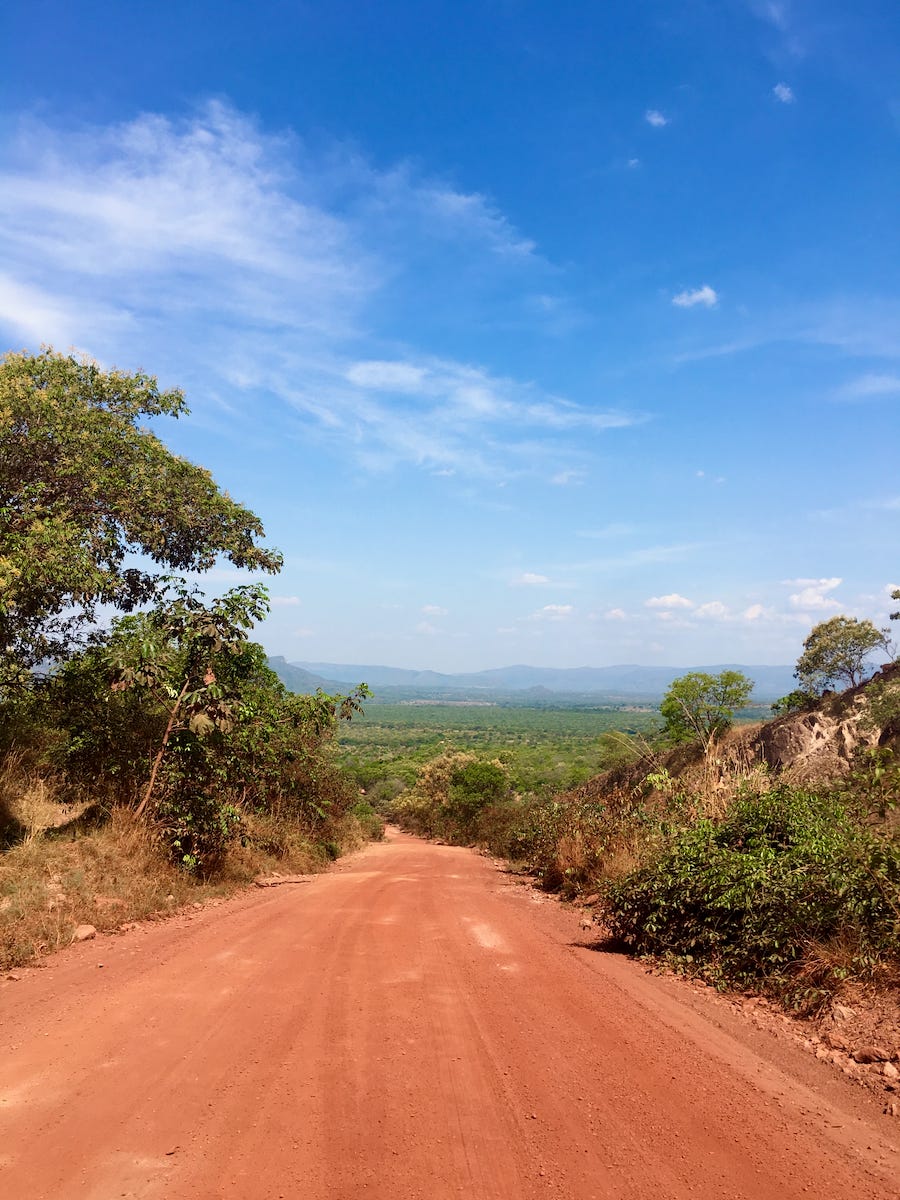
Brazilian Portuguese is not just influenced by African and indigenous languages like Tupi-Guarani. There are also large cultural differences that create contrasts. Brazilians are always joking around. Total strangers tease each other and make fun of themselves in public, in ways that are lost in translation when attempted here in the language’s country of origin.
Brazilian humor
Jasiel is really funny. Even after all the years, he makes me laugh every day. He can’t help joking around with people, it’s in his Brazilian DNA. Which the Portuguese in some cases find puzzling rather than amusing. Here’s one vignette from an encounter in the supermarket. Jasiel had bought me a deodorant, but found it at another store the next day for half the price. He took the first one (unused!) back.
Jasiel walks up to customer service and places the deodorant and the receipt on the counter. He says with a smile: “I’d like to return this.”
“Is there something wrong with it?”
“Yes, the price.”
“The price?”
“Yes, I found it at Pingo Doce for half the price.”
“And you want to return it?”
“Yes, please. I’d rather walk around stinking than pay that much for deodorant.”
Rather than being amused, she stepped back a bit from the counter, as if it to avoid the crazy customer. Jasiel’s delivery of the zinger was done in a joking manner, but it just did not compute.
Contrast this with my experience trying to open a bank account in Brasília. I was getting the run-around, and was finally told I had to go to another branch closest to my mailing address (my mother-in-law’s house). There were several people waiting to talk with someone, and one older gentleman was quite intrigued with what was going on with me, since I was obviously some kind of foreigner.
“Oh my dear, I am so sorry. It’s just terrible that you have to go all the way north to Sobradinho to get your business taken care of.”
“Oh well, what can you do?” I shrugged my shoulders.
“I know, but the bureaucracy is ridiculous.”
“Well, I’m used to bureaucracy. I live in Portugal, and sometimes it’s worse there.”
“Well of course it is! Where do you think this shit came from in the first place?'“
The whole crowd laughed uproariously.
Brazilians even have a special way of writing out cackling laughter for the purpose of texting:
kkkkkkkkkkk
“Powdered Latin”
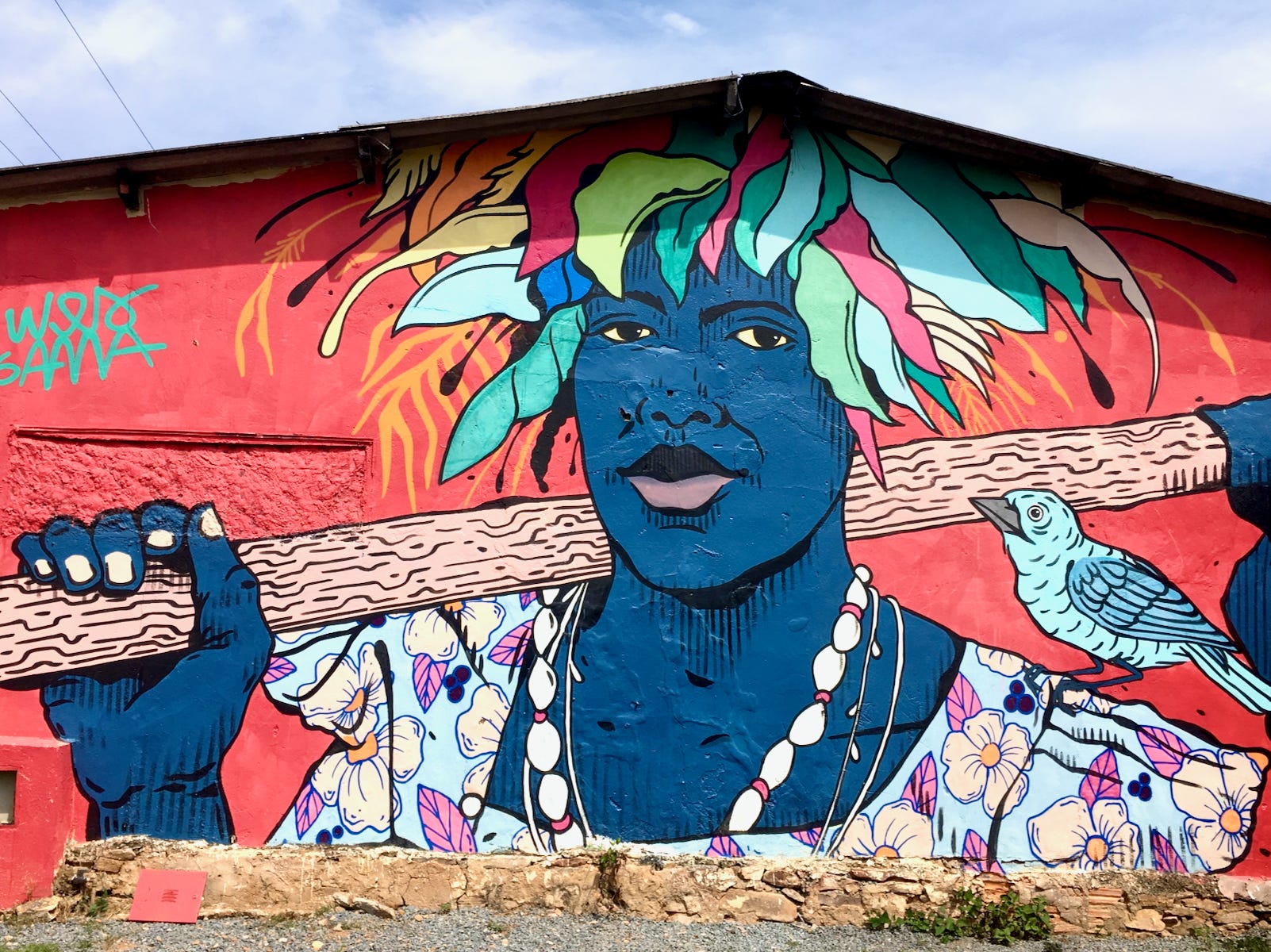
One of my favorite books about Brazilian Portuguese is Latim em Pó by linguist Caetano W. Galindo. My best attempt to translate the title would be: powdered Latin. It’s a fun, engaging book that follows the development of the Portuguese language over the centuries, and takes a deep dive into what makes brasileiro falado so unique. Some of Galindo’s evocative descriptions:
“Um português bem temperado.” A well-seasoned (as in salt and spices) Portuguese.
“Calmamente transformado pelos ventos e pela umidade dos trópicos.” Portuguese was “gently transformed by the winds and humidity of the tropics” to become brasileiro falado.
“Nosso português mais fino é pouco mais que um latim atrapalhado.” Our most refined Portuguese is little more than clumsy Latin.
The linguist’s phrases themselves say multitudes about why Brazil’s version of the language is the way it is.
Brazilian quips
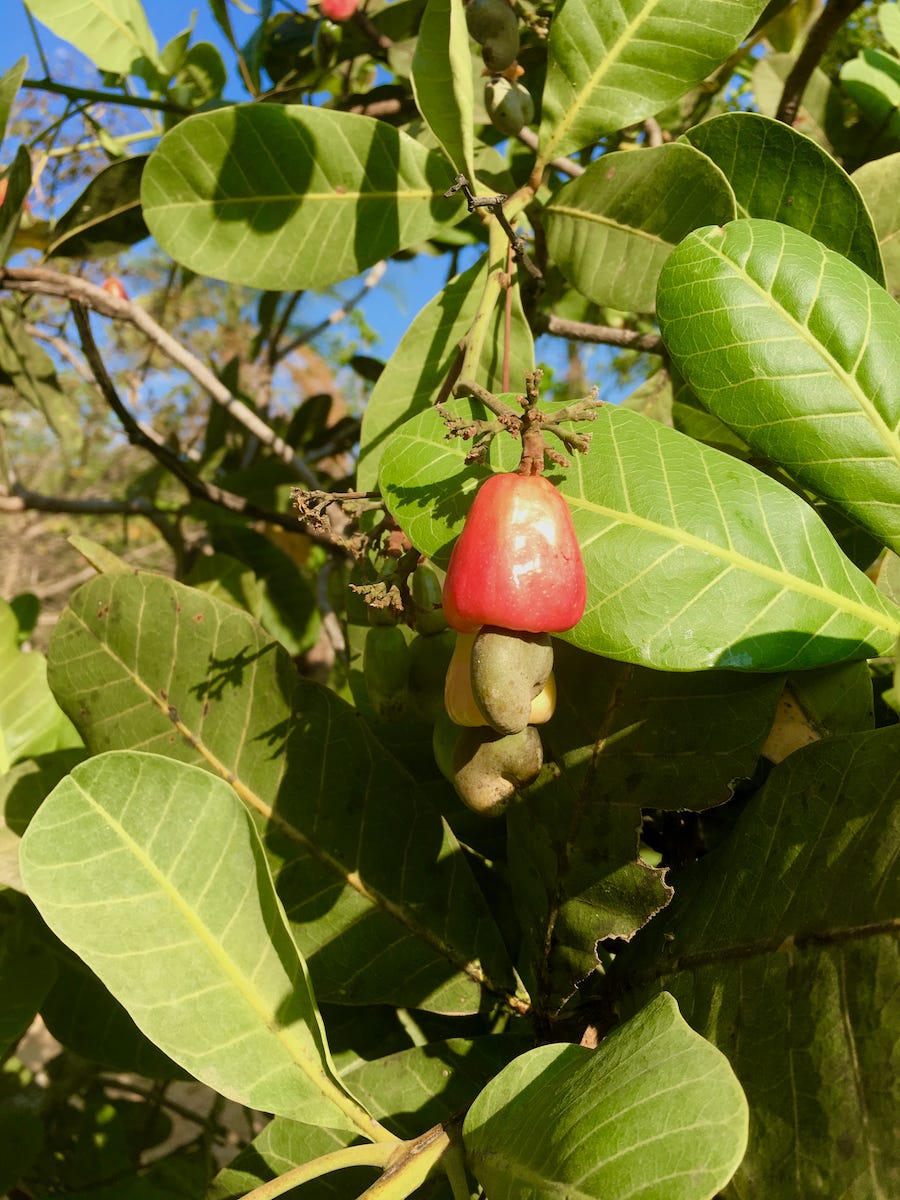
Here are some of my favorite Brazilian sayings:
Soando igual tirador de espírito. “Sweating like an exorcist.” I’m told the Portuguese say sweating like a horse, like we Americans do in English.
Minha boca tem gosto de cabo de guarda-chuva. Like when you take a nap in the afternoon, and you wake up with a dry, bad taste in your mouth. "My mouth tastes like an umbrella handle.”
Tem vida que nem gato de hotel. When someone really has it made, has the good life? They’re “living the life of a hotel cat.”
Televisão de cachorro. Dog television—a chicken rotisserie in a shop window.
Pão duro. Precise meaning is hard bread, but it indicates someone who doesn’t part easily with their money. This is a dangerous one due to pronunciation. The “ão” sound is quite nasal, but for English speakers new to Portuguese it can sound like “ow,” which leads to a possible misstatement if one says:
Pau duro. Hard wood. This is slang for the erect male member. Saying this when one means to say tight-fisted leads to widespread hilarity among Brazilians, and another aspect of the culture is that they are usually too polite and won’t correct you, not wanting to hurt your feelings.
Encher saco. To fill a bag—to be annoying. In the American South they would say “you are getting on my last nerve.” It’s also said as an admonition: Não enche saco. Don’t be so annoying!
Rei na barriga. A personal favorite. Literal meaning is “a king in the stomach.” Refers to petty functionaries or lower-level staff people in government or business who lord it over you and make your life difficult, often by rigidly enforcing rules or inventing new ones to torment you, seemingly for their own enjoyment. Found the world over, this expression perfectly fits so many situations!
Tomara-que-caia. “I hope it falls down!” What Brazilians call a strapless dress.
Melhor sozinha que mal acompanhada. Better alone than in the wrong company. So true!
Trucker philosophy
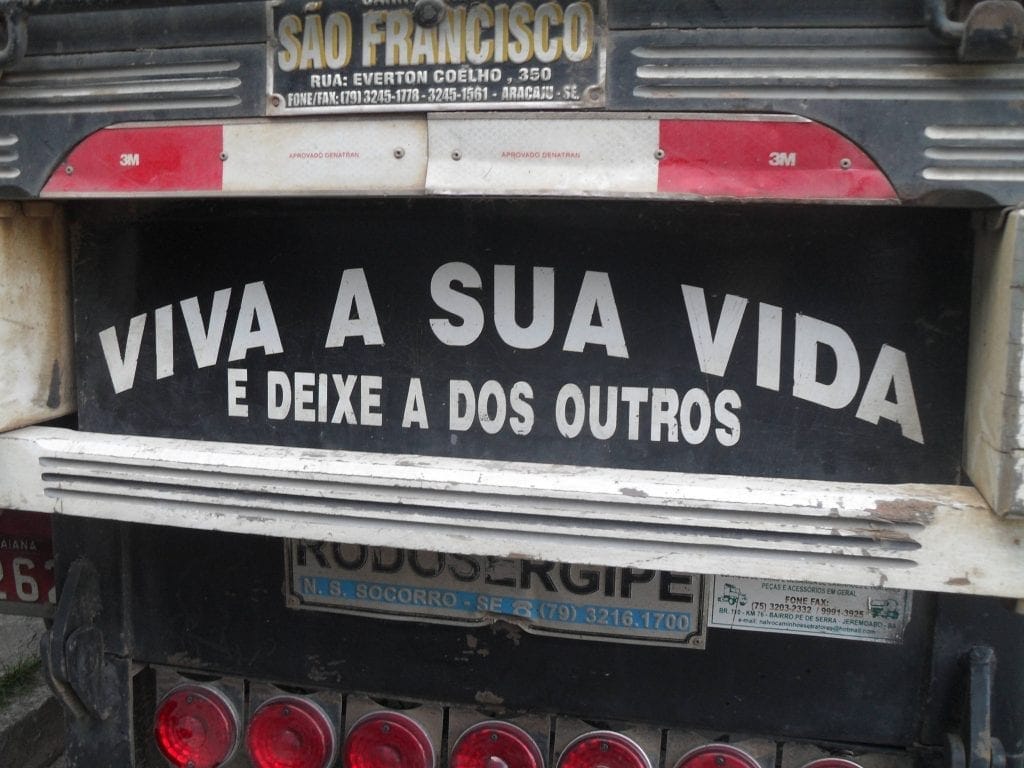
Sayings painted on the back bumpers of semi tractor-trailers exemplify the Brazilian culture’s humorous underpinnings. The practice is uniquely Brazilian; there are no witticisms found on the back of trucks in Portugal. Over the years I collected these aphorisms, making long road trips a bit more fun. When driving across long stretches of two-lane highway in the interior of the country Jasiel and I often find ourselves stuck behind a convoy of slow-moving trucks transporting goods. These clever and amusing adages help pass the time. The sayings are humorous, inspirational, religious.
Better to arrive late in this world than early in the next.
Happiness is not destiny, but a way of life.
Things can get worse; you just have no imagination.
I’m not in a hurry, I’m just homesick.
Danger is not a horse in the road, it’s a jackass at the wheel.
Everything you use was once in a truck. Very true, all transport of goods within Brazil is by truck.
If there were no airplanes and politicians traveled by truck, the roads would be in better shape.
Don’t honk at me, wake up earlier.
Love is a dream, and marriage is the wake-up call.
The less men think, the more they talk.
My headlights illuminate the road, but God lights my way.
Faith in God and your foot on the accelerator.
Driven by me, guided by God.
Always fight, sometimes win, never give up.
In Portugal you are never in the middle of nowhere. You are no cu de Judas (literally in Judas' a-hole!
You have such a wonderful grasp of both languages.